How to Tell If Gold Is Real: Hallmark Numbers & Home Tests
To learn how to tell if gold is real, combine three checks: read the stamp, test the metal, and, for anything valuable, get a professional reading. No single home test proves gold. A stamp states a claim, a magnet or streak test rules out many fakes, and an XRF scan confirms surface composition in seconds. Never pay a solid-gold price for a piece that has only passed a magnet test.
How to Tell If Gold Is Real: Start With the Stamp
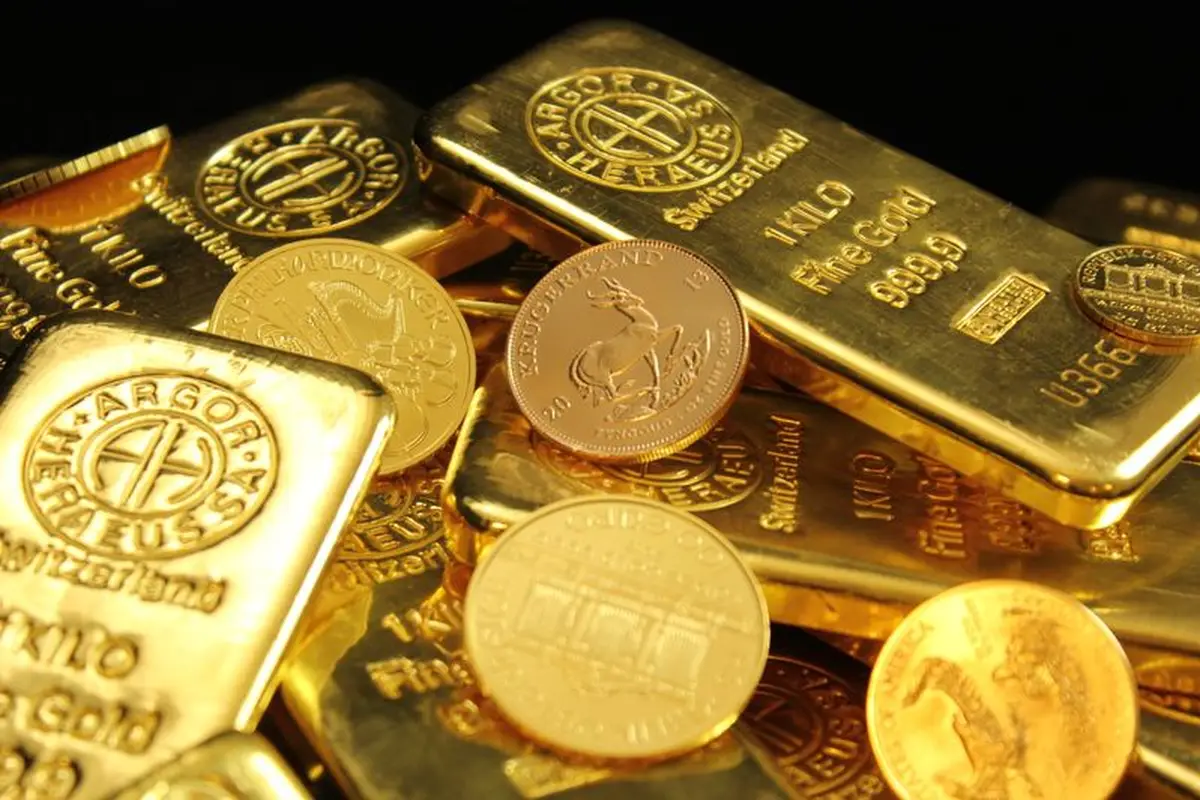
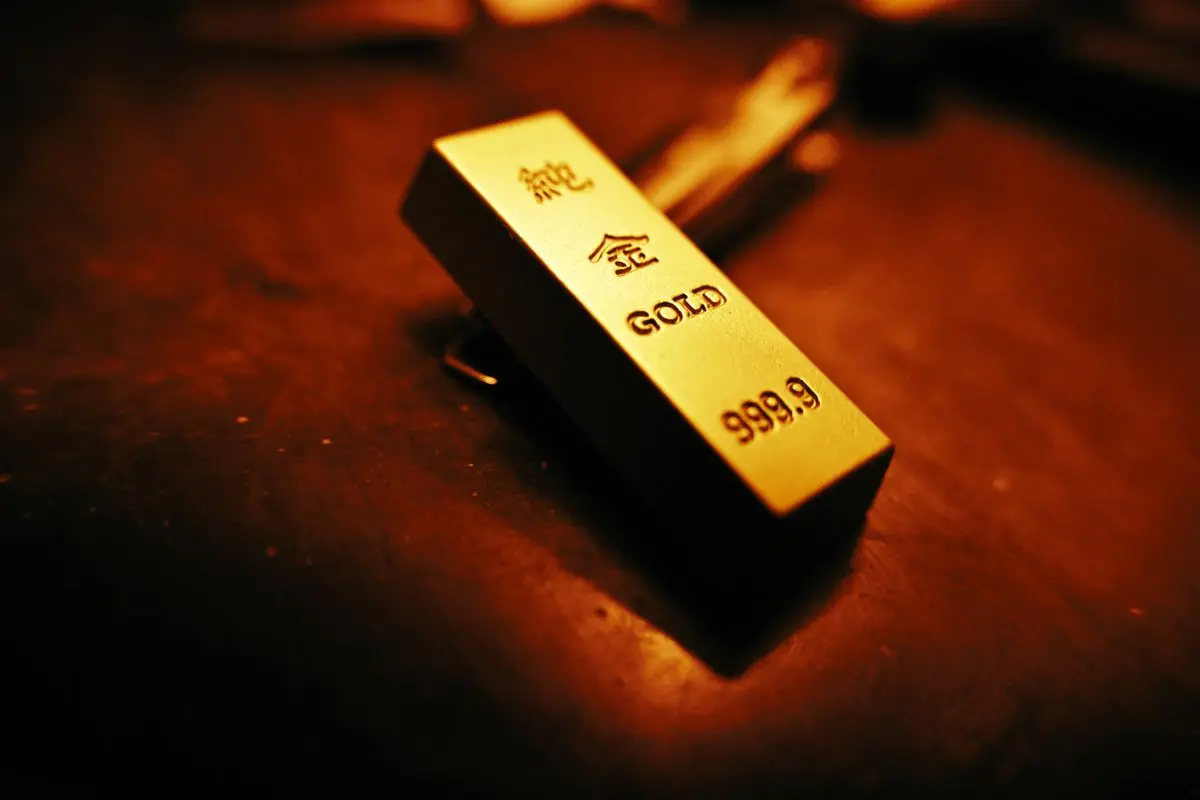
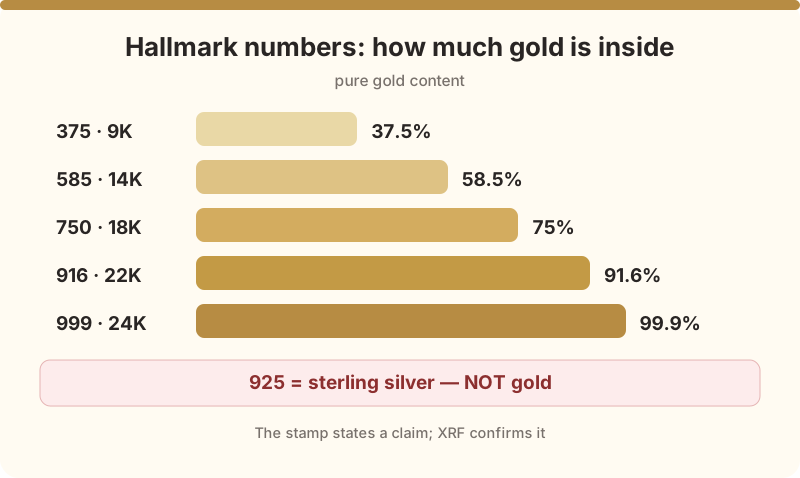
Most genuine pieces carry a small stamp on a clasp, band, post or bar. The number is the fineness: parts of pure gold per 1,000. So 750 means 750 parts gold, 250 parts other metals. The Bureau of Indian Standards hallmarking guide uses this system, listing 14K (585), 18K (750) and 22K (916). See also understanding gold karats.
- 375 = 9K, 37.5% gold
- 417 = 10K, 41.7% gold
- 585 = 14K, 58.5% gold
- 750 = 18K, 75% gold
- 825 = 82.5% gold, just under 20K
- 875 = 21K, 87.5% gold
- 916 = 22K, 91.6% gold
- 999 = 24K, 99.9% gold
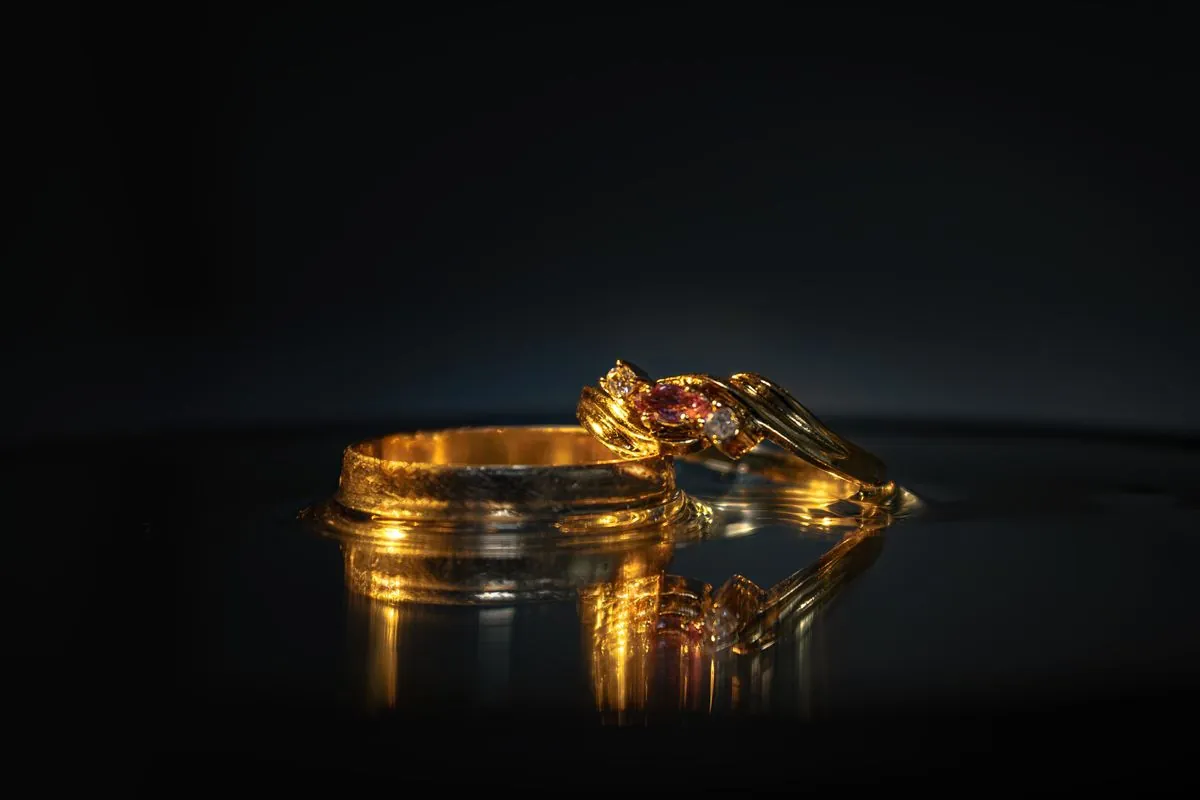
Letters such as 22K or 18K say the same in karats. Other letters warn a piece is not solid gold: GP = gold plated, GF = gold filled, HGE/GEP = heavy gold electroplate. Plated or filled pieces may contain very little gold, so never price them as solid.
What does 825 mean on jewellery?
825 means 82.5% pure gold. Real gold, but just under 20K (20K would be 833), seen on some European and Middle-Eastern pieces. Do not let a seller charge a 22K price for it: it is not 22K (916), and the difference is real money. Compare grades with our karat converter.
What does '925 Italy' refer to on a gold chain necklace?
The classic trap: 925 means sterling silver — 92.5% silver — and “Italy” is where the chain was made. A gold-coloured “925 Italy” chain is a gold-plated silver chain, not gold. The colour is a coating over silver, and it must never be priced or resold as gold.
A stamp is a claim, not proof: stamps can be forged. A piece sold as gold with no stamp also deserves suspicion — except tiny items under about 1 gram, which may legitimately be unstamped for lack of room.
How do you know if something is real gold? Home tests — and what each one misses
The magnet test
Hold a strong magnet to the piece. Gold is not magnetic, so if it sticks firmly, it is not solid gold. What it proves: sticking rules out solid gold. What it misses: brass and copper are also non-magnetic, so passing proves nothing. Clasps and springs on real pieces may contain steel and react slightly.
Weight, density feel and the sink test
Gold feels heavy for its size and sinks fast in water. What it proves: a light or floating piece is unlikely to be gold. What it misses: feel is not measurement. The real version, specific gravity (weighing in air and water), fails on hollow and gem-set pieces, where air and stones distort the result.
The ceramic streak test
Draw the metal lightly across unglazed ceramic. Real gold leaves a gold-coloured streak; many fakes leave a black streak. What it proves: a black streak points to fake metal. What it misses: it cannot tell 14K from 22K, and it can leave a mark, so use a hidden spot.
The ping or sound test for coins
Tap a coin balanced on a fingertip. Pure gold rings long and clear; phone apps can compare the sound. What it proves: a dull, short sound warns. What it misses: mainly for coins, needs a genuine coin for comparison, and is unreliable for jewellery.
Skin and wear inspection
Look at edges, clasps and high-friction points. Plating wears there first, revealing a different metal underneath. Green or black marks on skin also point to base metal. What it proves: worn coating means the piece is not solid gold. What it misses: a new or thickly plated fake can look perfect for months.
The acid test
A jeweller rubs the piece on a touchstone and applies acids matched to karat bands; the reaction shows within about a minute. What it proves: whether the surface behaves like a given karat. What it misses: it tests the surface only, so a thick-plated fake can pass, and it leaves a tiny filed spot. Treat it as a jeweller's job.
The serious fake: tungsten cores in bars and coins
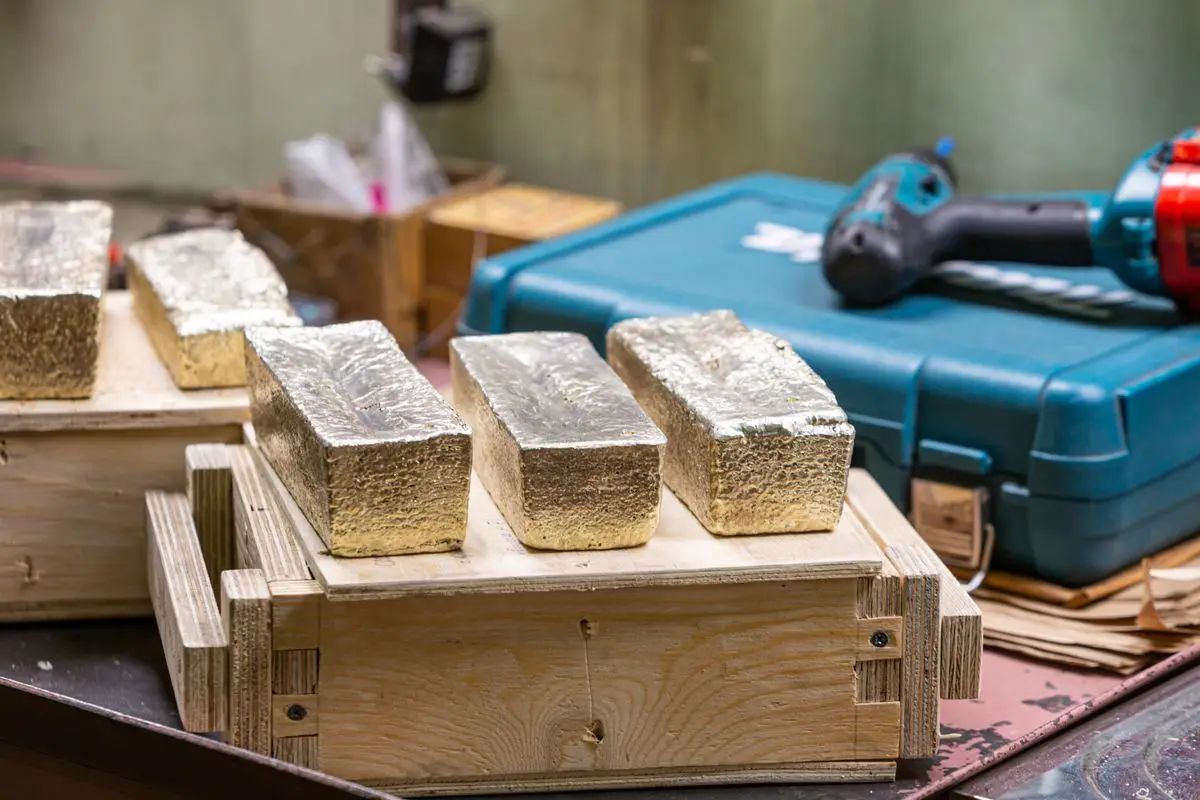
The hardest fake is a bar or coin with a tungsten core. Tungsten's density, about 19.25, is almost identical to gold's 19.32, so it defeats weight and specific-gravity tests. It is caught by ultrasound, conductivity or ping testing — or drilling, which destroys the piece. Buy bars only sealed, from licensed UAE dealers, as in our guide on how to buy gold in Dubai.
How do you authenticate gold? Professional verification
XRF testing is the standard at Dubai dealers: a scanner reads surface composition in seconds without damage. Electronic testers give a quick karat estimate. Fire assay is definitive but destructive, because a sample is melted and analysed. An assay is worth paying for when buying second-hand or from a private seller, before selling an inherited piece or relying on its valuation, and for any bar bought outside a licensed shop.
Buying in Dubai and the UAE: your invoice is your proof
Dubai's jewellery trade is regulated: licensed shops must deliver the karat stamped on the piece and show it on the invoice. That invoice, with weight and purity, is your proof — keep it safe, because it protects you if a piece later tests below its stamp. With a clear stamp and an in-shop XRF check, buying in the UAE is far safer than buying from an unknown private seller.
Frequently Asked Questions
Can a fake piece carry a real-looking stamp?
Yes. Stamps can be forged, so a stamp is a starting point, not proof. Combine it with tests or a professional XRF reading.
Is 825 gold real, and how should it be priced?
Yes, 825 is real gold at 82.5% purity, just under 20K. Price it by that content, never as 22K.
Does passing the magnet test prove gold is real?
No. It only rules out magnetic metals. Brass and copper also pass, so use other tests as well.
What is the best test for a gold bar?
Buy sealed bars from licensed dealers, then verify with ultrasound, conductivity or XRF, because tungsten cores defeat weight and density checks.
A chain is gold-coloured but stamped 925. What is it?
Sterling silver with gold plating. The 925 stamp means 92.5% silver, whatever the surface colour.
Disclaimer: This guide is educational information only, not financial or buying advice. Home tests are indicative, not conclusive. For high-value pieces, always obtain a professional assay or XRF test from a licensed dealer before buying or selling.