Gold Karats Explained: 24K vs 22K vs 21K vs 18K
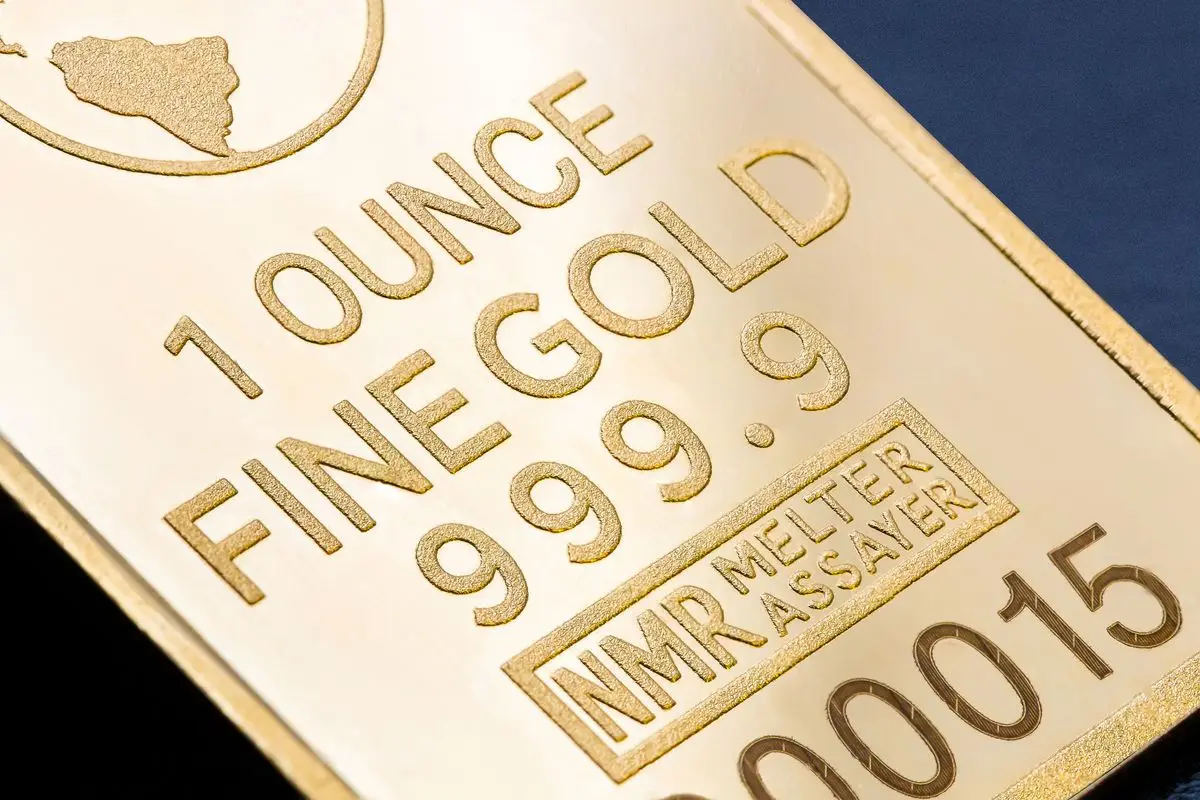
A karat measures how pure your gold is, out of 24 parts. 24K is 99.9% pure gold, 22K is 91.6%, 21K is 87.5%, and 18K is 75% — and that difference changes the price per gram, the colour, and how well a piece survives daily wear. This guide explains how the four karats compare in the UAE, what each costs, and which one fits your purpose.
What Does "Karat" Actually Mean?
A karat measures gold purity in 24 parts. 24K means 24 out of 24 parts are pure gold (99.9%). 18K means 18 out of 24 parts are gold (75%), with the remaining 6 parts made up of alloy metals like copper, silver, zinc, or nickel.
The alloys are not filler — they change the metal's properties:
- More alloy = harder, more durable metal, but less gold content
- Less alloy = softer, richer yellow colour, but the piece bends and scratches more easily
- Copper-heavy alloys give rose gold its pink tone; nickel/palladium alloys create white gold
To compare the cost of the same piece in different purities, use our karat converter — it converts any price or weight between 24K, 22K, 21K, and 18K instantly.
The Four Karats You Will Meet in the UAE
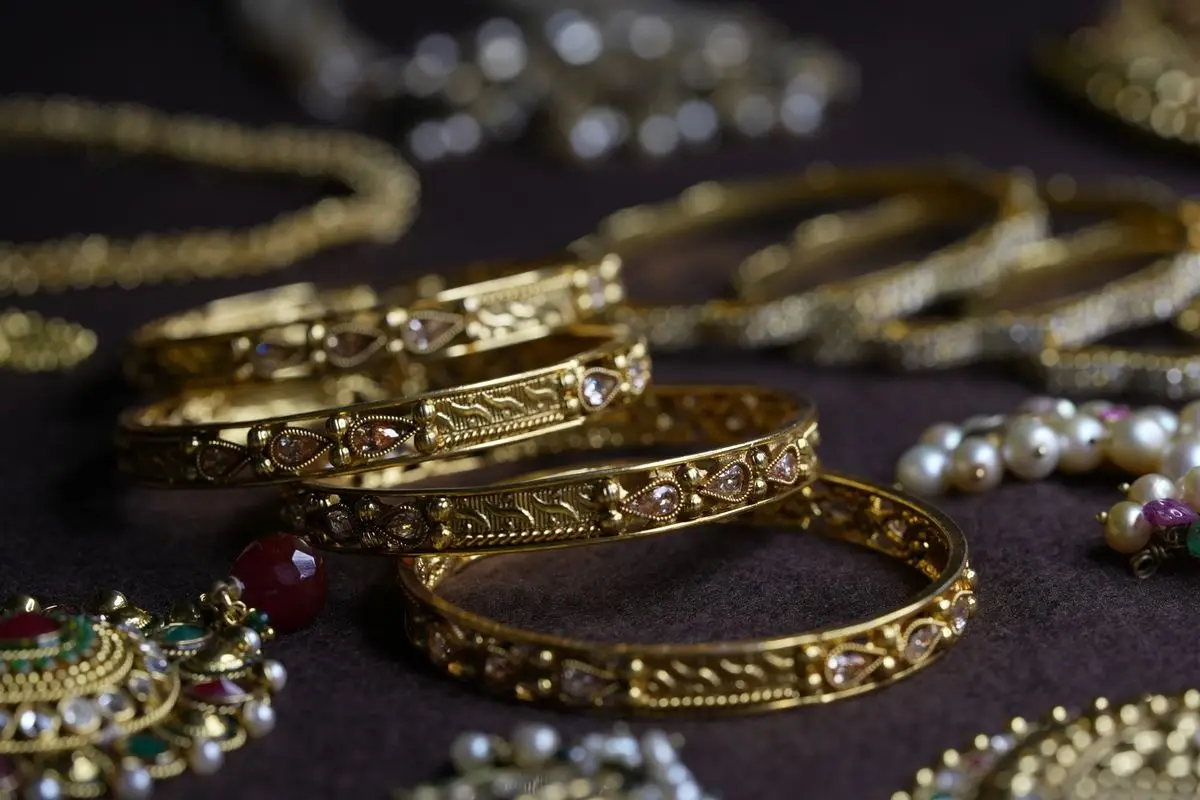
24K Gold — 99.9% Pure
The purest commercially available gold. In the UAE, 24K is used almost exclusively for investment bars and coins, and some traditional bridal pieces (rarely worn daily).
Pros: maximum gold value; easiest to resell at close to market price; favourable VAT treatment for investment-grade bars. Cons: very soft — jewellery in 24K bends, dents, and loses shape with daily wear.
Indicative UAE price (Nov 2026): ~AED 454/gram.
22K Gold — 91.6% Pure
The workhorse of UAE jewellery, especially among South Asian buyers. The 8.4% alloy content gives it enough strength for bangles, necklaces, and rings worn daily, while keeping gold content high.
Pros: excellent balance of purity and durability; strong resale value; the standard for bridal gold in Indian and Pakistani communities. Cons: slightly less rich in colour than 24K; still softer than 21K/18K.
Indicative UAE price (Nov 2026): ~AED 416/gram.
21K Gold — 87.5% Pure
The favourite across the Arab world. That extra alloy versus 22K makes 21K noticeably harder — ideal for the bold, high-relief Gulf designs (heavy necklaces, wide bangles, intricate filigree) that would deform in softer gold.
Pros: durable for statement pieces; beautiful deep yellow colour; strong cultural preference in the GCC keeps resale liquid. Cons: lower gold content than 22K; slightly lower per-gram value.
Indicative UAE price (Nov 2026): ~AED 397/gram.
18K Gold — 75% Pure
The international standard for fine jewellery. In the UAE, 18K dominates diamond-studded pieces (diamonds need strong settings), designer and European-style jewellery, and watches and luxury items.
Pros: hardest and most durable of the four; holds gemstones securely; widest range of colours (yellow, white, rose). Cons: lowest gold content — you are paying significantly for craftsmanship and brand.
Indicative UAE price (Nov 2026): ~AED 341/gram.
Karat Comparison at a Glance
- 24K — 99.9% pure: best for investment (bars, coins); very soft; ~AED 454/gram*
- 22K — 91.6% pure: best for jewellery and bridal sets; good durability; ~AED 416/gram*
- 21K — 87.5% pure: best for Gulf-style statement pieces; very good durability; ~AED 397/gram*
- 18K — 75% pure: best for diamond and designer pieces; excellent durability; ~AED 341/gram*
*Based on the 16 November 2026 Comex settlement of $3,847.40/oz (spot ~$3,849). Check the live Dubai gold rate for today's per-gram prices in every karat.
Which Karat Should UAE Buyers Choose?
For investment
24K, without question. Buy minted bars or coins from reputable dealers, keep the sealed packaging and invoice, and you will be able to sell at very close to the market price anywhere in the world. Avoid "investment jewellery" — making charges and design premiums evaporate on resale.
For bridal and occasion jewellery
22K if you follow South Asian traditions; 21K if you prefer Gulf styles. Both hold value well and suit the heavy designs bridal wear demands.
For daily wear
22K for plain gold pieces; 18K for anything with diamonds or gemstones. 24K is simply too soft for rings and bangles you wear every day.
For gifting
22K coins are the classic UAE gift for weddings, births, and festivals — recognisable, liquid, and culturally appropriate.
How Karat Affects Price (With an Example)
Take a 10-gram necklace. Using indicative November 2026 rates:
- 24K: 10g × AED 454 = AED 4,540 (gold value)
- 22K: 10g × AED 416 = AED 4,160
- 21K: 10g × AED 397 = AED 3,970
- 18K: 10g × AED 341 = AED 3,410
The difference between 24K and 18K on the same weight is over AED 1,100 — before making charges and VAT. This is why confirming the karat on the invoice matters so much. Our guide on how to buy gold in Dubai shows how karat, making charges, and VAT combine in a real purchase.
Hallmarks: How to Verify Karat
Every gold item sold in the UAE must be hallmarked. Look for:
- 24K: stamped "999" or "24K"
- 22K: stamped "916" or "22K"
- 21K: stamped "875" or "21K"
- 18K: stamped "750" or "18K"
The number is the parts-per-thousand purity (916 = 91.6%). If a piece has no hallmark, do not buy it — regardless of what the seller claims.
Gold Colour and Karat: Why 22K Looks Different From 18K
Pure gold has a rich, warm yellow colour. As alloy content rises, the colour shifts: copper-heavy alloys push the tone toward rose or pink, while silver-heavy alloys lighten it toward a paler yellow. This is why 22K jewellery has that deep, unmistakable "gold" look buyers associate with value, while 18K pieces — especially white or rose gold — look deliberately different. In the UAE market, the deep yellow of 21K and 22K is culturally prized, which is one reason those karats dominate bridal and occasion jewellery. If you love the classic gold colour, stay at 21K or above; if you prefer modern white or rose tones, 18K is where those live.
Common Karat Mistakes to Avoid
- Buying 24K jewellery for daily wear. It will deform. Buy 24K for investment, not for your wrist.
- Assuming higher karat always means better value. An 18K designer piece can cost more than a 22K bangle — you are paying for design, not just gold.
- Ignoring the karat on the invoice. Verbal promises mean nothing; the karat must be written on your receipt.
- Mixing karats in a set without realising. Check every piece in a bridal set individually.
Frequently Asked Questions
Which gold karat is most popular in Dubai?
22K for jewellery overall, 21K among Arab buyers for Gulf-style designs, and 24K for investment bars and coins.
Is 22K gold real gold?
Yes. 22K is 91.6% pure gold — genuinely high-purity gold, alloyed slightly for strength.
Can I sell 21K gold easily in the UAE?
Yes. 21K is widely traded across the GCC, and UAE gold buyers purchase all standard karats daily.
Why is 24K gold not used for jewellery?
It is too soft. Rings bend, bangles dent, and detailed designs lose their shape. The small alloy addition in 22K/21K makes an enormous durability difference.
Does lower karat mean lower resale value?
Per gram, yes — resale tracks gold content. But well-made 18K designer pieces from known brands can retain value through craftsmanship and brand demand.
How can I test gold purity at home?
A hallmark check and a reputable seller are your best protection. Home acid-test kits exist but can damage the piece; for valuable items, use a professional assay.
Karat prices move daily with the international gold market. Check live 24K/22K/21K/18K rates per gram on goldratestoday.ae before you buy.