How to Check Gold Purity in Dubai: Hallmarks & Tests
Every dirham you pay for gold rests on one claim: that the metal is as pure as the stamp says. Knowing how to check gold purity in Dubai is therefore the skill that protects every other part of a purchase. The good news is that Dubai is one of the most tightly regulated gold markets in the world. Hallmarking is mandatory under UAE Federal Law No. 11 of 2015, and the Dubai Central Laboratory — part of Dubai Municipality — assays and tests precious metals sold in the emirate. This guide takes the checks in order: the hallmark, the professional tests a jeweller can run in front of you, official laboratory verification, and the home checks — including which ones deserve your trust and which do not.
Check gold purity in Dubai: start with the hallmark
A hallmark is a small stamp struck into the metal that certifies its fineness — the parts per thousand of pure gold in the alloy. Learn four numbers and you can read almost any piece in a Dubai shop:
| Karat | Hallmark (fineness) | Pure gold content |
|---|---|---|
| 24K | 999 | 99.9% |
| 22K | 916 | 91.6% |
| 21K | 875 | 87.5% |
| 18K | 750 | 75.0% |
The stamp is a legal claim, not a decoration: a 916 stamp promises that 916 of every 1,000 parts are pure gold. Our guide to understanding gold karats explains how karats, fineness and alloy metals fit together.
Where to find the stamp
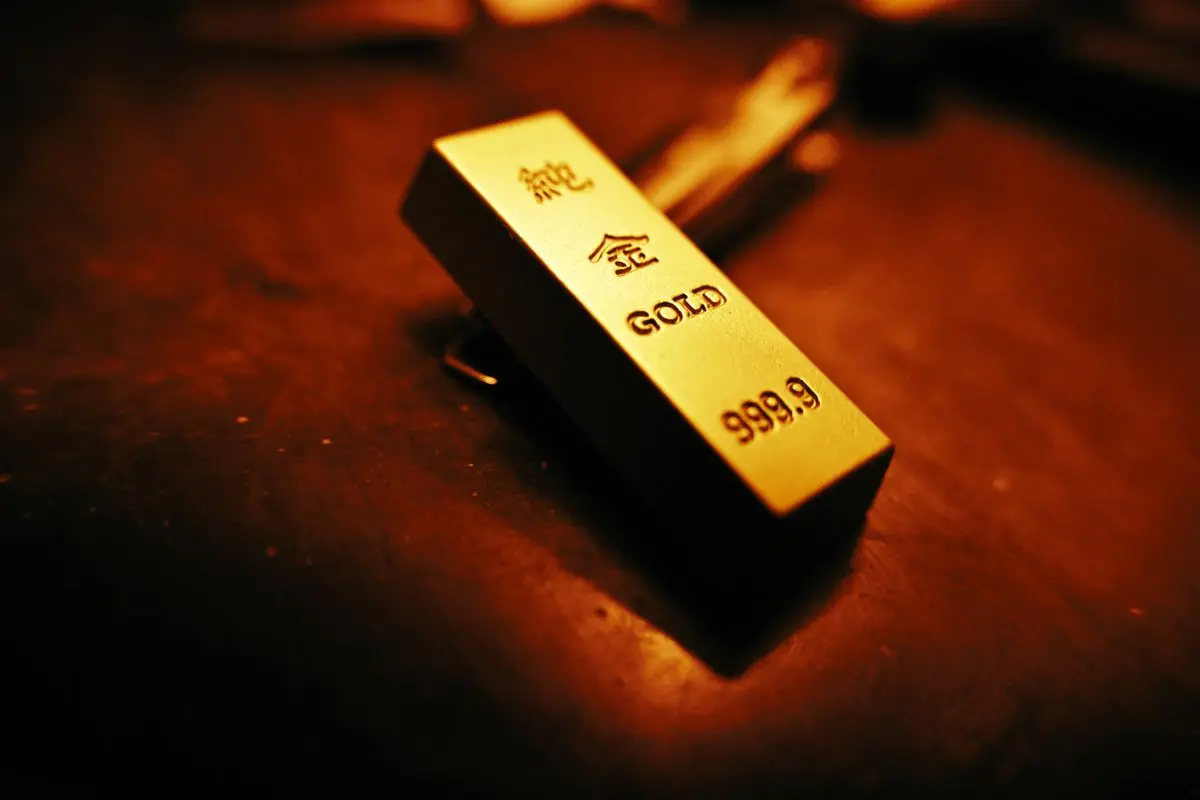
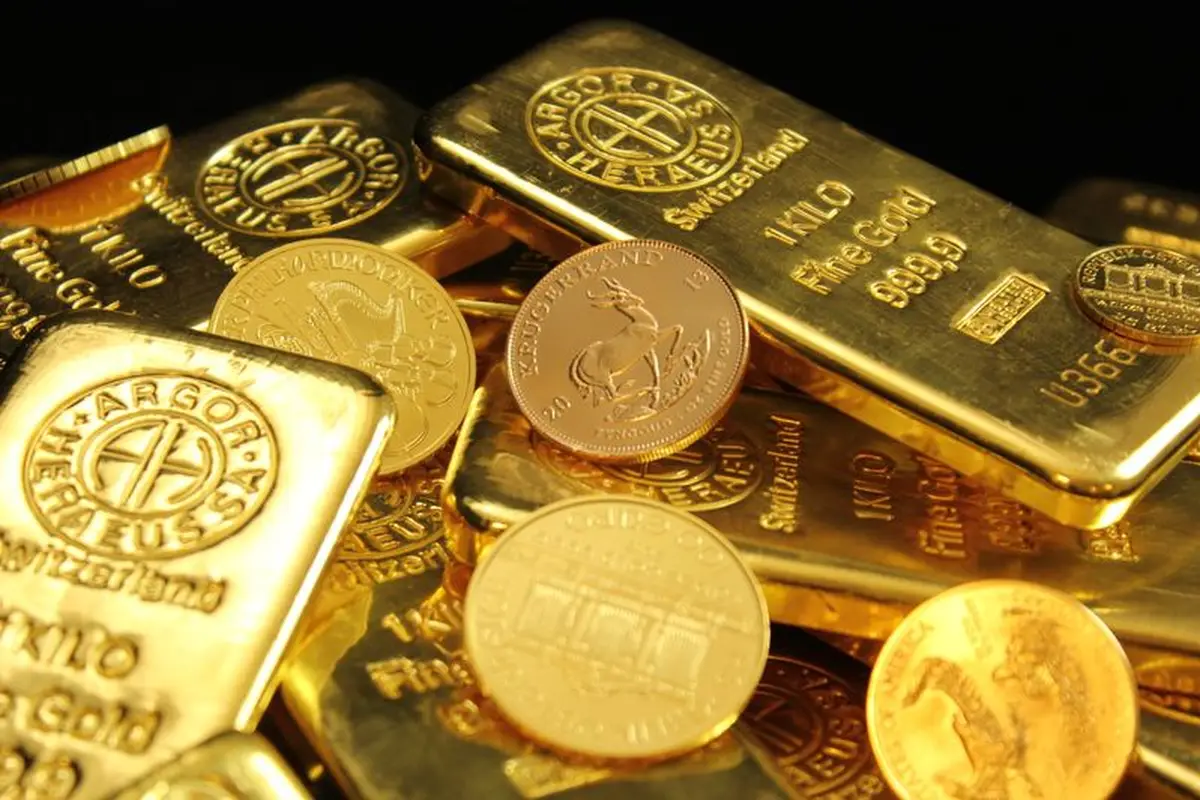
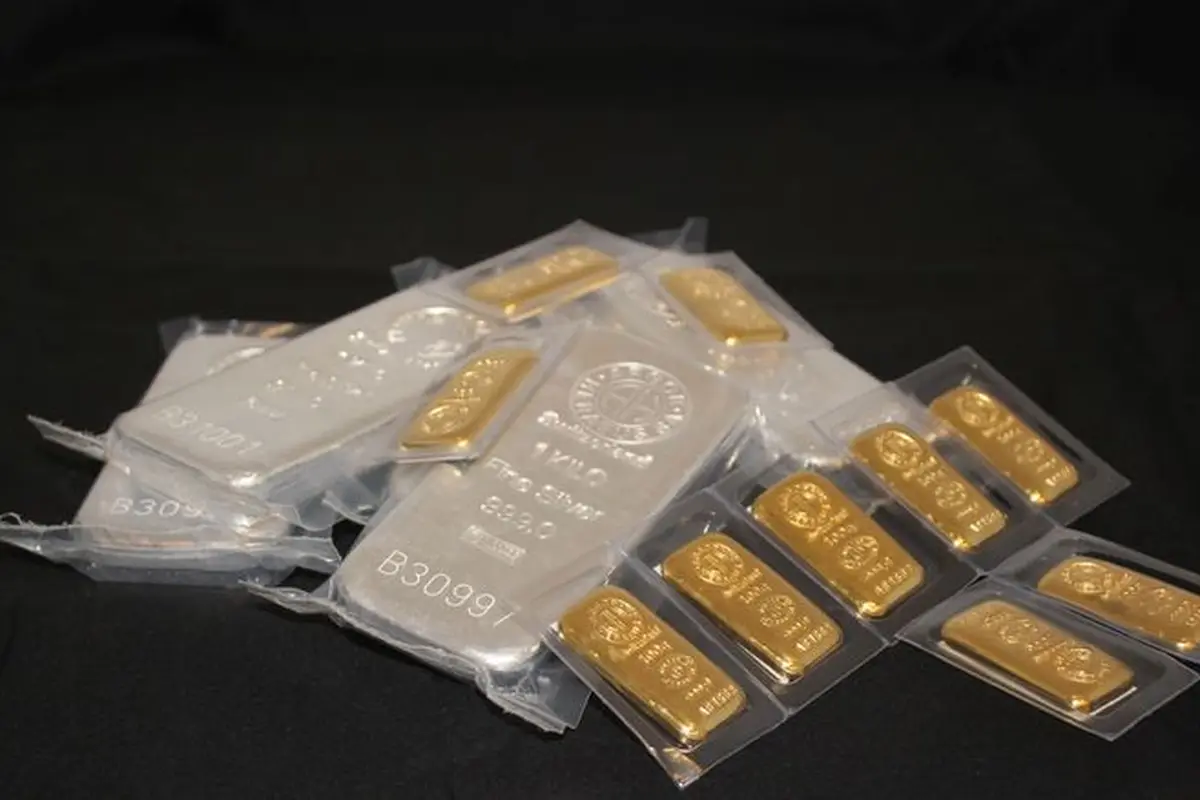
On a necklace or bracelet, look at the clasp and the links beside it. On a ring, the stamp sits inside the band. Earrings carry it on the post or the back of the setting; bangles usually on the inner surface. Bars and coins are stamped on the face — weight, fineness and the refiner's mark — and sealed bars add a certificate with a matching serial number. Ask the jeweller for a magnifier; reputable shops keep one on the counter and expect the question.
What a missing or unclear stamp means
No hallmark, no purchase — that is the simplest rule in this guide. A missing stamp can mean an old piece, an imported piece that was never assayed locally, or metal that would not pass. Whatever the story, an unstamped piece is harder to resell and impossible to value with confidence. A blurred or hand-cut stamp deserves the same caution: genuine hallmarks are struck cleanly by machine or die.
Five professional tests for gold purity
A stamp can be copied, so serious checks test the metal itself. These are the methods used in Dubai's trade, from the countertop to the laboratory.
1. XRF spectrometry — the shop standard
An X-ray fluorescence (XRF) analyser reads the metal's composition in seconds, without cutting, filing or damaging the piece. It is the standard first test in Dubai gold shops and the one to ask for on any significant purchase. Its limit: XRF reads the surface layer, so on heavily plated items a surface reading can flatter the result — which is why laboratories combine methods on high-value pieces.
2. The acid (touchstone) test — the traditional check
The oldest test in the souk: the piece is rubbed on a black touchstone, leaving a streak of metal, and drops of nitric acid of graded strengths are applied. Pure gold resists the acid; lower alloys react and the streak fades or changes. It is quick and cheap, but it tests only the rubbed spot and can leave a 浅淡 mark — acceptable on scrap and old jewellery, less welcome on a new bridal set.
3. The density test — physics, not opinion
Pure gold is unusually dense: 19.3 grams per cubic centimetre, far heavier than the metals used to fake it. Weighing a piece in air and then suspended in water gives its density, and a result far from the expected figure exposes a fake or a hollow core. The test suits bars and plain coins best; stone settings, hollow jewellery and solder joints distort it.
4. Electronic testers — a fast screening
Handheld electronic testers estimate purity from the metal's electrical conductivity. They are fast and non-destructive, and useful as a first screen, but they are the least precise of the professional methods — treat a pass as reassurance, not proof.
5. Fire assay — the definitive test
Fire assay is the reference method laboratories use when the answer must be exact: a small sample is melted and the precious metal separated and weighed. It is the most accurate test of all — and destructive, since the sample is consumed. You will never see it done on a shop counter; it belongs to assay offices and laboratories, and its result is what certificates rest on.
Official verification at Dubai Central Laboratory
When a purchase is large, a piece is unmarked, or a dispute needs settling, the official route is the Dubai Central Laboratory, the Dubai Municipality laboratory responsible for testing and assaying precious metals in the emirate. A laboratory test replaces opinion with a documented result: the item is examined with laboratory methods and its fineness reported against the same hallmark standards that shops must follow.
Use the official route when the money is serious — a heavy bridal set, a large bar bought privately, an inherited piece with no papers. For ordinary shop purchases, the combination of a clear hallmark, an itemised invoice and an in-store XRF reading gives most buyers all the assurance they need.
Home checks — and their limits
Two home checks circulate widely, and both are weaker than they sound. The magnet test: gold is not magnetic, so a piece that jumps to a strong magnet contains magnetic metal — but many fake alloys are also non-magnetic, so passing proves little. Colour and scratch judgements are worse: plating imitates colour perfectly, and scratching a piece to "see what is underneath" damages real gold and proves nothing a hallmark would not tell you for free.
The honest summary: home checks can catch a crude fake, never certify a real piece. If the value matters, use the stamp, the shop's XRF, or the laboratory — in that order.
Red flags: when to walk away
- No hallmark on a piece offered as new — see above.
- No itemised invoice, or a seller who prefers cash with no paperwork.
- A price well below the day's board rate — genuine gold in Dubai is priced from the same board everywhere; a deep "discount" usually means the purity is not what is claimed. Compare against the live Dubai gold rate.
- Reluctance to test in front of you. A confident jeweller runs the XRF while you watch.
- Pressure to decide immediately. Gold keeps; pressure is a sales tool, not a market signal.
Our guide to how to buy gold in Dubai walks through the full purchase, and the selling gold guide explains why the same purity checks matter again when you sell.
Frequently asked questions
How can I check if gold is real in Dubai?
Start with the hallmark (999, 916, 875 or 750), then ask the jeweller for an XRF reading in front of you. For large or unmarked pieces, use the Dubai Central Laboratory's official testing.
What does the 916 hallmark mean?
It certifies 91.6% pure gold — 916 parts per thousand — which is 22K, the standard for most Dubai jewellery.
Is XRF testing accurate?
XRF is accurate for the surface it reads and is the trade's standard first test. For a definitive result on a high-value piece, laboratories use fire assay.
Does purity testing damage the gold?
XRF, density and electronic tests are non-destructive. The acid test can leave a 浅淡 mark, and fire assay consumes a small sample — which is why it is a laboratory method, not a shop one.
Can I check gold purity at home?
Only crudely. A magnet can expose some fakes, but no home test can certify purity. Rely on the hallmark, an in-store XRF reading, or an official laboratory test.
Why does purity matter if the weight is right?
Because you pay per gram of gold, not per gram of metal. A "22K" piece that tests at 20K carries about 9% less gold than you paid for — purity is where the money is.