Dubai Gold Souk Shopping Guide: Bargain & Buy Safely
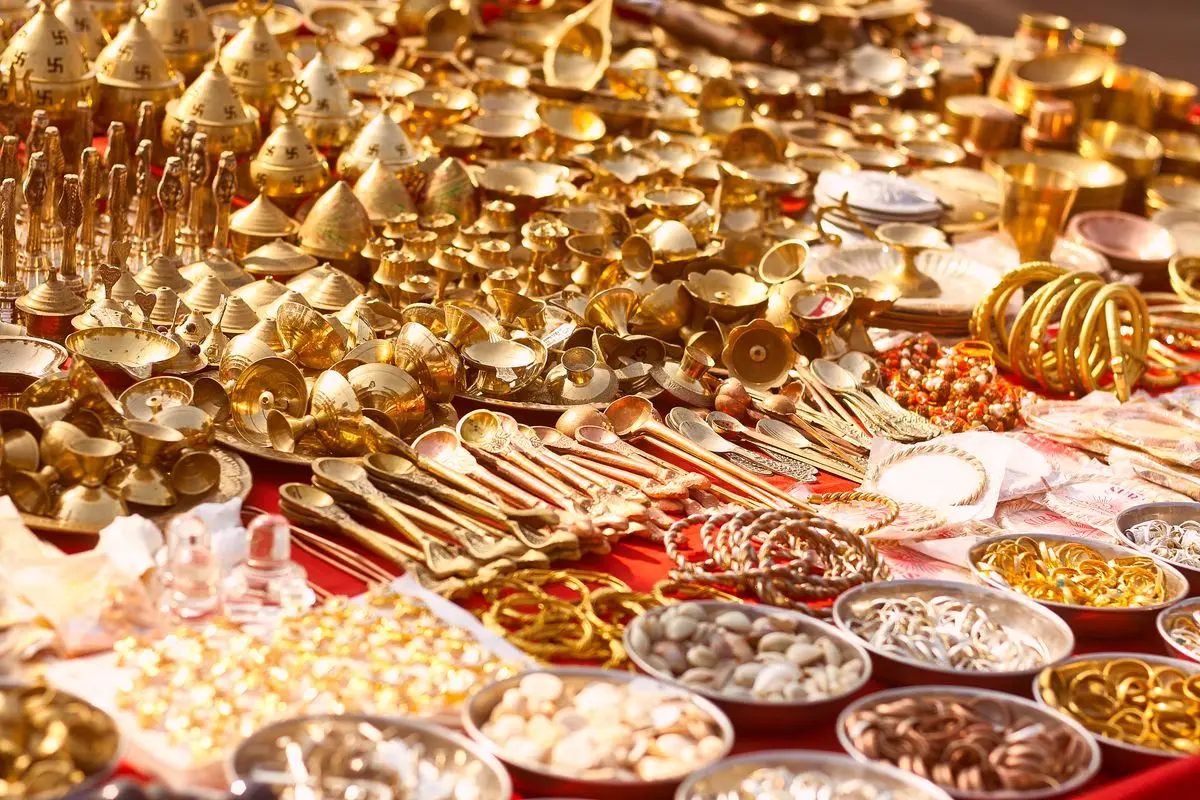
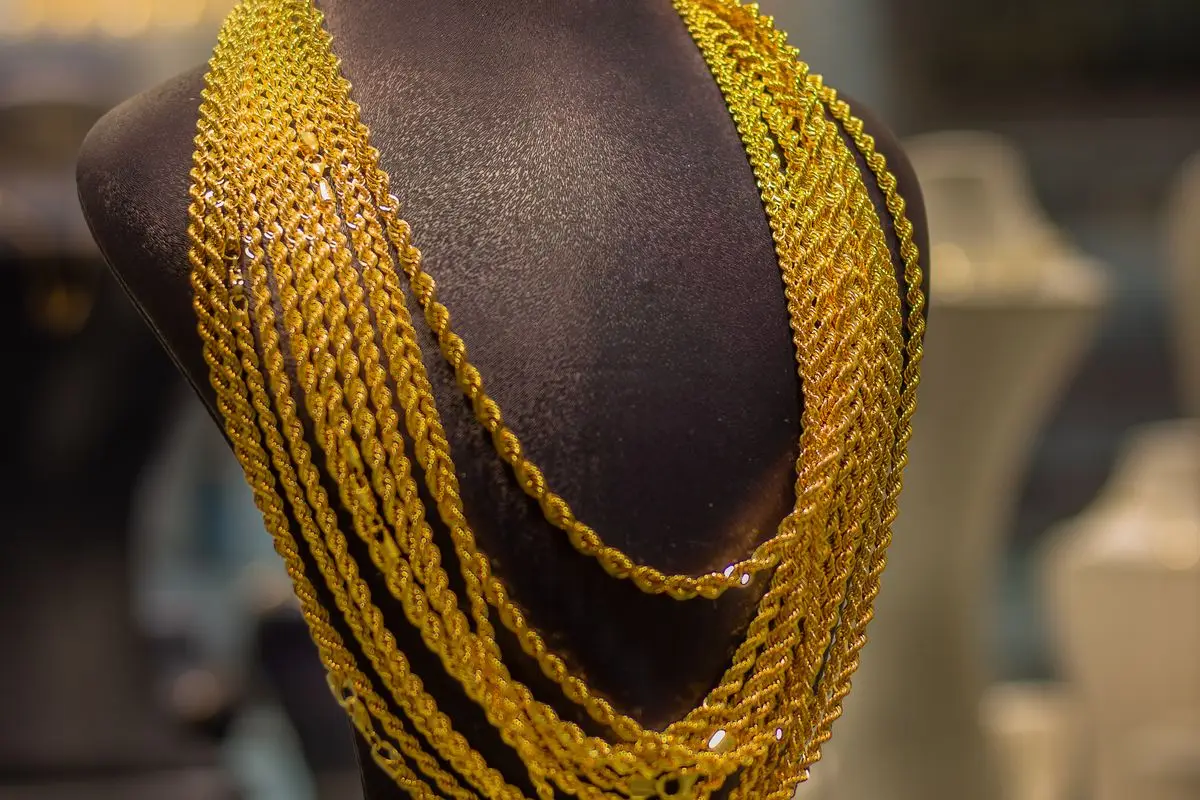
The Dubai Gold Souk in Deira is one of the best places in the world to buy gold — hundreds of shops, transparent daily rates, and making charges you can negotiate down by 20–40%. It rewards preparation, though. Walk in knowing the day's rate and how bargaining works, and you will leave with beautiful gold at a fair price. Walk in blind, and you may overpay.
This guide covers how the souk works, how to bargain step by step, how to spot a trustworthy shop, and the red flags that should make you walk away.
How the Gold Souk Works
The souk is a traditional covered market near Dubai Creek in Deira. Unlike a mall, each shop is independently owned, prices are negotiable, and the atmosphere is lively and old-school. A few things to know before you go:
- Opening hours: most shops open around 9:30–10:00 AM and close around 9:30–10:00 PM. Many close for a midday break (roughly 1:00–4:00 PM), though timings vary.
- Getting there: Al Ras metro station (Green Line) is a short walk away, or take an abra (water taxi) across the creek from Bur Dubai for AED 1 — a classic Dubai experience.
- Best time to visit: weekday mornings are calmest. Evenings are atmospheric but crowded.
Before You Go: Do Your Homework
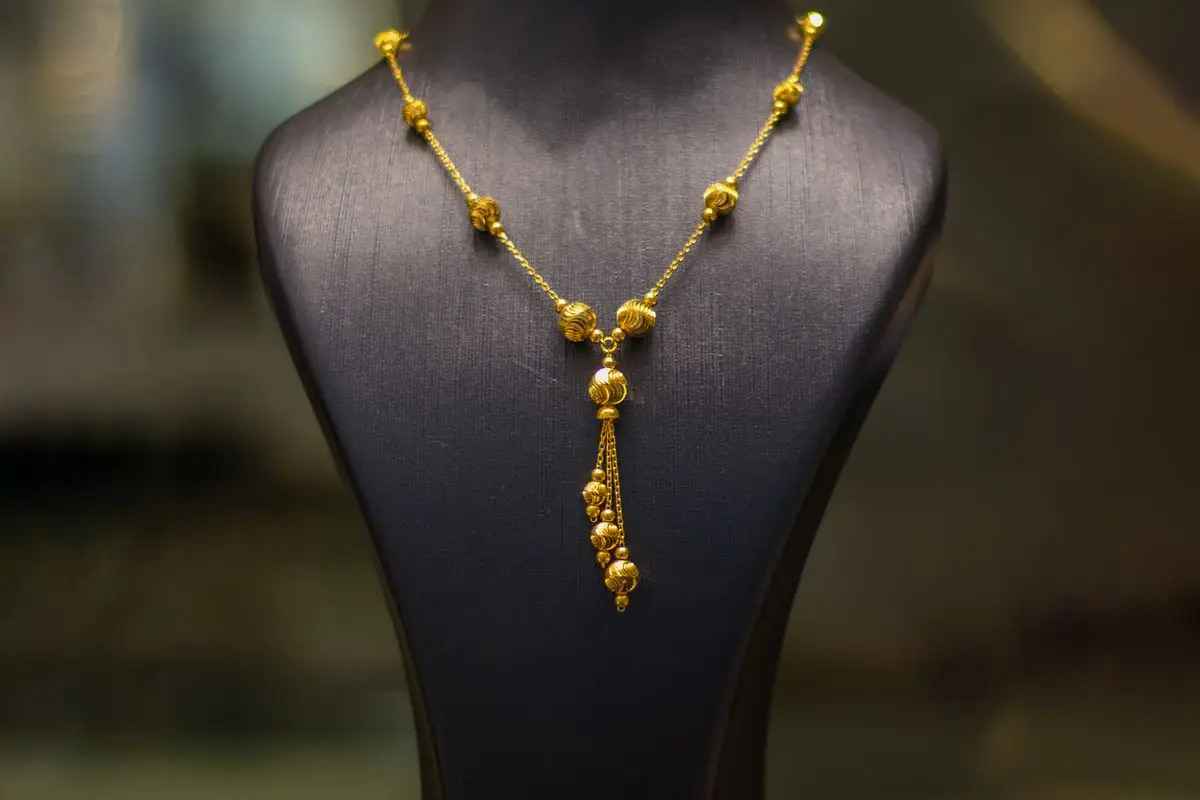
- Check the day's gold rate. The Dubai Jewellery Group publishes official rates each morning. Check the live Dubai gold rate on your phone before entering any shop — this is your single most important piece of leverage.
- Decide your karat and approximate weight. Know whether you want 22K, 21K, or 18K, and have a rough idea of the design and weight range. If you are unsure, read our guide to understanding gold karats first.
- Set a budget in dirhams, including making charges and 5% VAT.
- Bring your phone calculator. You will use it constantly — or use our gold price calculator to price a piece before you even arrive.
Bargaining at the Gold Souk: A Step-by-Step Approach
Negotiation is expected — no shopkeeper is offended by a counter-offer. Here is how experienced buyers do it:
Step 1: Separate the components
Ask the shopkeeper to break the price into three parts: gold weight × day's rate, making charges, and VAT. The gold price itself is fixed to the market; the making charge is where the negotiation lives.
Step 2: Question the making charge
Making charges at the souk typically start at AED 15–60+ per gram depending on intricacy. Ask: "What is your making charge per gram on this piece?" Then ask the same question at two more shops for comparable designs.
Step 3: Make your counter-offer
A reasonable opening counter is 30–40% below the quoted making charge. The shopkeeper will counter, and you will usually meet somewhere in the middle — often 20–30% below the first quote.
Step 4: Bundle for leverage
Buying a set (necklace + earrings, or multiple bangles) gives you real leverage. Ask for a bundled making-charge rate.
Step 5: Be prepared to walk away
The most powerful negotiating tool is your feet. Thank the shopkeeper politely and walk out. In many cases you will hear a better price before you reach the next shop.
Useful phrases
- "What is today's rate?" — confirms they are using the official price
- "What is your best making charge per gram?"
- "I have seen the same design at [X] per gram making nearby." (only say this if true)
- "Can you do any better if I pay cash?"
For a deeper dive into weights, charges, and bargaining tactics, see our Dubai Gold Souk bargaining guide.
How to Identify a Trusted Shop
The Gold Souk is well regulated, but quality varies. Look for:
- Longevity and reputation. Shops that have operated for decades (many display their founding year) have reputations to protect.
- Clear rate displays. Trustworthy shops show the day's gold rate prominently.
- Detailed invoices. A proper invoice lists weight, karat, gold value, making charges, and VAT separately. Never accept a vague handwritten total.
- Hallmarked gold. Every piece should carry a karat hallmark stamp.
- Willingness to explain. Good shopkeepers happily explain weight, purity, and charges. Evasive answers are a warning sign.
Well-known names with multiple branches across the souk and malls — such as long-established family jewellers — are generally safe bets, but always verify the invoice details yourself.
Scams and Traps: What to Watch For
Outright fraud is rare because the market is regulated, but these practices can cost you money:
1. Inflated making charges for tourists
The most common trap. The gold price is fair, but the making charge is quoted at double the going rate. Defence: get per-gram making quotes from multiple shops. Our guide to gold making charges and VAT shows the typical ranges for every type of piece.
2. Under-karating
A piece sold as 22K that is actually lower purity. Defence: check the hallmark, buy from reputable shops, and insist the karat is stated on the invoice.
3. Weight manipulation
Quoting the gross weight (including stones or non-gold parts) at the gold rate. Defence: ask for the net gold weight and confirm stones are priced separately.
4. "No VAT" offers
A shop offering to skip VAT by not issuing a proper invoice. This is illegal and leaves you with no proof of purchase — disastrous if you ever want to sell or claim a tourist refund. Always take the invoice.
5. Pressure tactics
"This price is only for the next ten minutes" or claims that a design is one-of-a-kind. Genuine souk shops rarely need pressure; walk away from it.
6. Touts outside shops
Ignore street touts who promise unbelievable deals and steer you to specific shops. Walk into shops of your own choosing.
What to Check Before You Buy: The Final Inspection
- Hallmark: karat stamp visible on the piece
- Weight: net gold weight confirmed on the scale in front of you
- Rate: matches the day's official rate
- Making charges: agreed per gram, written on the invoice
- VAT: shown separately at 5%
- Invoice: detailed, stamped, with shop details
- Buyback policy: ask what the shop pays if you sell the piece back later
- Stones: diamonds or gemstones priced and described separately
Gold Souk vs Mall: Which Is Better?
- Price: the souk is usually lower and negotiable; mall prices are higher and mostly fixed
- Selection: the souk offers an enormous range of traditional designs; malls carry curated, modern brands
- Negotiation: expected at the souk; limited in malls
- After-sales: varies by shop at the souk; malls offer strong warranties
- Experience: the souk is authentic and bustling; malls are comfortable and air-conditioned
For the best price on classic designs, the souk wins. For branded pieces with warranties and easy exchange policies, malls win. Many savvy buyers browse designs in malls, then buy similar pieces at the souk.
Frequently Asked Questions
Is bargaining acceptable at the Dubai Gold Souk?
Yes — it is expected. The gold rate is fixed, but making charges are negotiable. Polite, informed bargaining typically saves 20–40% on making charges.
How do I know the gold is real at the Gold Souk?
Dubai's gold market is strictly regulated. Buy from established shops, check the hallmark stamp, confirm karat and weight on a detailed invoice, and you are protected.
What are the Gold Souk opening hours?
Most shops open 9:30–10:00 AM to 9:30–10:00 PM, with many closing for a midday break. Friday afternoons can be quieter.
Can I get a VAT refund as a tourist?
Yes. Keep your invoices from shops participating in the Tourist Refund Scheme and claim at the airport.
Is it safe to carry large amounts of cash at the souk?
The area is generally safe and well-policed, but card payments are widely accepted — there is rarely a need to carry large cash sums. Some shops offer small cash discounts.
Should I buy from the first shop I like?
No. Note the design and price, visit 2–3 more shops, then return to the best offer. Comparison is your strongest tool.
Check the live Dubai gold rate on goldratestoday.ae before every souk visit — it is the foundation of every good deal.