Dubai Gold Rate in Rupees (INR, PKR, PHP) — Expat Guide

If you work in the Emirates but think in rupees, you are not alone — most gold buyers in Dubai convert the board rate in their head before they buy. Every rate on this site is quoted in AED per gram, so this guide shows how to turn the Dubai gold rate into Indian rupees, Pakistani rupees and Philippine pesos, why the same jewellery so often costs less here than in India, and what to check before carrying gold home.
How to convert the Dubai gold rate into rupees
The maths is one multiplication:
Price per gram in your currency = AED per-gram rate × your currency's rate per 1 AED
The dirham is pegged to the US dollar (USD 1 = AED 3.6725), so the AED conversion moves with your currency's dollar rate. Worked example with illustrative figures only: at a 24K rate of AED 500 per gram and ₹24.5 per dirham, one gram works out at 500 × 24.5 ≈ ₹12,250, and one tola (11.6638 g) at ≈ ₹142,882. The same gram at Rs 76 per dirham is ≈ Rs 38,000, and at ₱16 per dirham ≈ ₱8,000. Redo the calculation with the live rate and today's exchange rate before you buy — the gold calculator does it for any weight and karat.
The gold price difference between India and Dubai
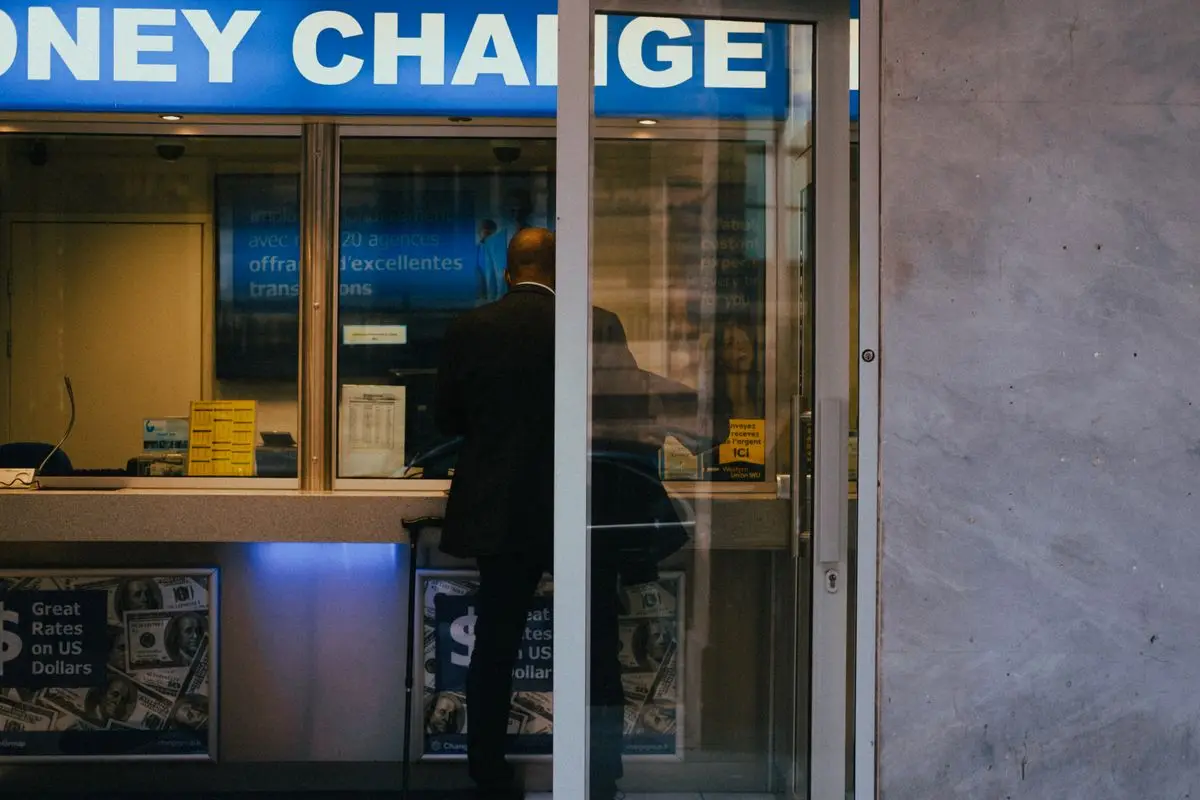
Expats often find identical jewellery cheaper in Dubai, for two structural reasons. First, taxes: India levies customs duty on imported gold and adds 3% GST on jewellery, while the UAE charges no import duty on gold and applies 5% VAT on the total bill — and tourists can reclaim that VAT at the airport on eligible purchases. Second, competition: hundreds of souk shops within a few streets keep Dubai making charges tight. The gap is not a fixed number — it shifts with Indian duty decisions and shop premiums — so always compare the same karat, per gram, on the same day. Start with the live 22 carat gold rate in Dubai, the karat most expat jewellery is made in.
Carrying gold home: allowances and duty
India and Pakistan both set duty-free allowances for gold jewellery carried in by passengers. The limits depend on the passenger's gender, how long they have lived abroad, and whether the gold is jewellery or bars and coins; anything above the allowance is dutiable and must be declared at the red channel. These rules change from time to time, so check the current customs allowance for your country before you fly, keep every invoice with your passport, and never carry gold on behalf of someone else.
Which karat and form should expats buy?
- 22K jewellery for family wear and weddings — the standard across India and Pakistan, with the deepest resale market back home.
- 24K bars and coins for pure investment — see our gold bar prices guide for sizes and premiums.
- 21K jewellery if the piece is a gift for family in the Arab world, where 21K is the tradition.
The conversion worked end to end
The example below uses this guide's own illustrative figures throughout — a 24K rate of AED 500 per gram and example exchange rates of ₹24.5, Rs 76 and ₱16 per dirham. Real rates move every day, so treat the results as a demonstration of the method, not as today's prices.
| Amount of gold | In dirhams (at AED 500/g) | In Indian rupees (× 24.5) | In Pakistani rupees (× 76) | In Philippine pesos (× 16) |
|---|---|---|---|---|
| 1 gram | AED 500 | ₹12,250 | Rs 38,000 | ₱8,000 |
| 10 grams | AED 5,000 | ₹122,500 | Rs 380,000 | ₱80,000 |
| 1 tola (11.6638 g) | AED 5,831.90 | ₹142,882 | Rs 443,224 | ₱93,310 |
Putting the conversion to work
The conversion matters most at the two moments money actually changes hands. The first is the Dubai counter: a 22K bangle quoted per gram in dirhams becomes a home-currency figure the moment you apply your rate, which is how you know whether the full bill — metal, making charge and VAT — beats the sarafa price back home; our 22-carat rate page shows the karat most wedding jewellery is made in. The second is at home, where family comparing your purchase will use a different exchange rate and the home per-tola convention, so keep the dirham figure on the invoice: it is the one number nobody can argue with.
Run any amount through the gold calculator with the live rate before you travel, and see our methodology for how the published Dubai rate itself is built. If you are comparing bars rather than jewellery, the gold bar prices guide covers the sizes and premiums quoted in the souk.
Frequently asked questions
What is the Dubai gold rate in Indian rupees today?
Take today's per-gram AED rate from our homepage and multiply by the rupee-per-dirham rate your bank or exchange house shows today. For a tola price, multiply the per-gram rupee figure by 11.6638.
Why is gold cheaper in Dubai than in India?
Mainly taxes and duty: India adds customs duty and 3% GST, while Dubai has no import duty and a 5% VAT that tourists can reclaim. Keen souk competition on making charges widens the difference further.
Is it legal to take gold bought in Dubai back home?
Yes, within your country's duty-free passenger allowance, with proper invoices. Amounts above the allowance must be declared and duty paid — check the current rules before travelling, as limits change.
Why does the same gold show three different rupee figures?
Because "rupees" is three different currencies: the Indian rupee (₹), the Pakistani rupee (Rs) and — once converted — the Philippine peso (₱) each has its own rate against the dirham. In this guide's example, one dirham is ₹24.5, Rs 76 or ₱16, so the same gram of gold produces three very different-looking numbers. Always check which currency a quoted figure is in before comparing it.
How do I run this conversion with today's real rates?
Take the live 24K per-gram rate from this site, multiply by the grams you are buying, then multiply by today's dirham rate in your currency from your bank or remittance app — the remittance rate, not the headline interbank rate, is the one that matches money you actually send. The gold calculator does the gold side of the maths instantly.
Rates and exchange rates move daily. Convert with the live figures on goldratestoday.ae on the day you buy, not with a screenshot from last week.